Families choosing a care home weigh up location, cost, staffing and how the place feels on the day. Daily mobility matters as much as any of these: how a resident gets from bed to chair, to the dining room and to the lavatory shapes both dignity and safety. The questions below are the ones that tend to sort a good fit from a poor one.
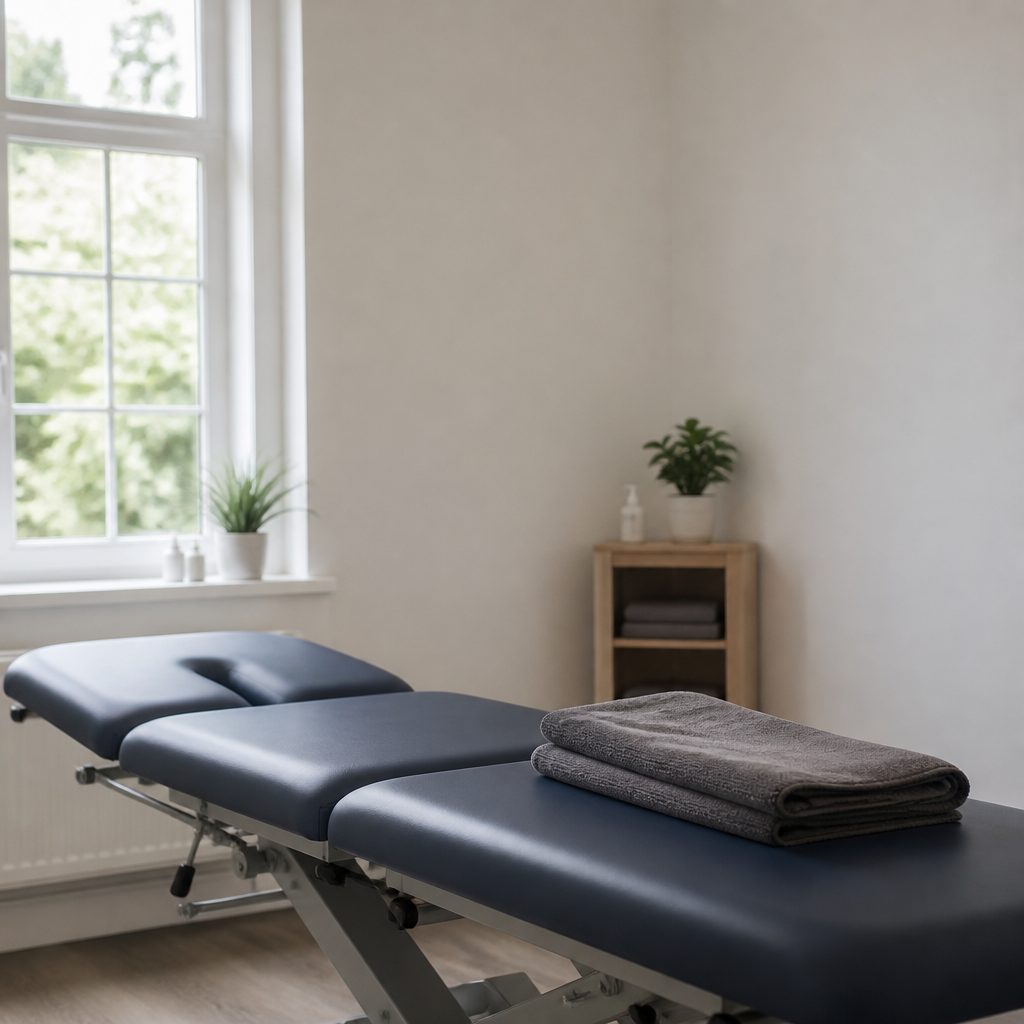
Start with the practical facts
Most families begin with a shortlist built on distance, because visiting is easier when the home sits within a familiar journey. After that, the useful comparisons are concrete: the number of staff on duty at night, the size of the building, whether there are lifts and level access, and whether rooms are single or shared. Cost belongs here too, not at the end. Fees, what they include, and which allowances may offset them should be understood before an emotional attachment forms.
For families in France, the paperwork around admission, the contract and the various allowances is often the part that causes most anxiety. A French care home site such as this guide to care home entry in Aubenas sets out the difference between a medicalised care home, a senior residence and staying at home, along with the admission steps and the first days. Reading that kind of material before a visit means the questions asked on the day are sharper.
How is daily mobility and transfers planned for?
Mobility is not a single decision made once. It is a plan that changes as a person changes, and it should be written down.
A resident who walks with a frame may need a clear route from the bedroom to the communal areas, with handrails on both sides and no loose rugs. Someone who uses a wheelchair needs doorways wide enough, turning space in the bathroom, and a call system within reach once seated. Someone who cannot bear weight needs a hoist and two trained staff, and the home should be able to say how often that help is available and who provides it.
Transfers are the moments of highest risk: bed to chair, chair to lavatory, chair to car. Ask who assesses them, how often the assessment is reviewed, and whether physiotherapy or occupational therapy is available on site or brought in. A home that answers these questions in specifics, rather than in reassurance, is usually a home that has thought about them.
Falls prevention sits alongside this. Lighting, flooring, footwear, medication review and the layout of the room all play a part. So does the willingness of staff to let a resident do what they can still do, at their own pace, rather than completing every task for them. That balance between safety and independence is the daily work of good care.
What should families weigh up before deciding?
Beyond mobility, families tend to weigh the same handful of things.
- Staffing and continuity. A low turnover of carers means residents are known, not processed. Ask how long the current team has been in post.
- Medical cover. Is there a doctor attached to the home, a nurse on site, and a clear route to hospital if needed?
- Food and mealtimes. Meals are a social event, not just nutrition. Ask whether residents eat together, whether there is choice, and how special diets are handled.
- Activities and contact with the outside. A garden, animals, visitors, outings and a varied programme all reduce the sense of a closed world.
- The room itself. Can it be personalised with familiar furniture, photographs and bedding? This matters more than the size of the room.
- Communication with families. How and how often will you be told about changes, concerns and small daily news?
- Costs and rights. What is included, what is extra, and which allowances apply.
None of these can be judged from a brochure. They are judged from what you see and hear on a visit, and from the questions staff are willing to answer without flinching.
What questions are worth asking on a visit?
A visit is a short window, so it helps to arrive with a written list. The following questions tend to reveal the most.
- Who will be responsible for my relative day to day, and will that person be the same most weeks?
- How many staff are on duty during the day and at night, and what is the ratio to residents?
- How are transfers and moving handled, and who reviews the plan?
- What happens if my relative's needs increase? Would they have to move, and where to?
- How are falls recorded and reviewed, and what changes follow?
- Can residents choose when to get up, when to eat and when to go to bed?
- How are families kept informed, and who is the named contact?
- What is the complaints procedure, and is there a residents' council?
- What are the total monthly costs, and what sits outside them?
- Can we visit again at a different time of day, unannounced?
That last question is the most useful of all. A home that welcomes an unannounced second visit, at a mealtime or in the evening, is showing you its ordinary day rather than its prepared one.
What to watch and listen for on the day
Walk slowly and use your senses. Are residents dressed and up, or still in nightclothes in the afternoon? Is there conversation in the communal room, or is the television doing all the talking? Do staff knock before entering rooms? Are call bells answered promptly, and can you hear how they are answered?
Smell matters, but read it carefully. A faint smell of cleaning products is normal. The smell of urine that persists in a corridor suggests something about staffing levels or about how quickly people are helped.
Look at the residents' faces and hands. Clean nails, brushed hair and comfortable shoes are small signs of a place where personal care is not rushed. Look at the staff too: do they greet residents by name as they pass?
Ask about the last inspection and read the report yourself. In the United Kingdom, the Care Quality Commission publishes inspection findings for care homes in England, and equivalent regulators operate in Scotland, Wales and Northern Ireland. In France, departmental councils and regional health agencies hold comparable information. These documents are dry, but they are written by people who visited without an appointment.
After the visit
Write down your impressions the same day, before they blur. Compare the homes on the same short list of points rather than on how you felt in the car park. If possible, take the person who will be living there to a second visit, and let them say what they noticed.
A good care home will not promise that nothing will ever go wrong. It will describe how it works when things do: who assesses, who records, who tells the family, and what changes as a result. That is a more honest measure than any brochure photograph, and it is the one worth trusting.