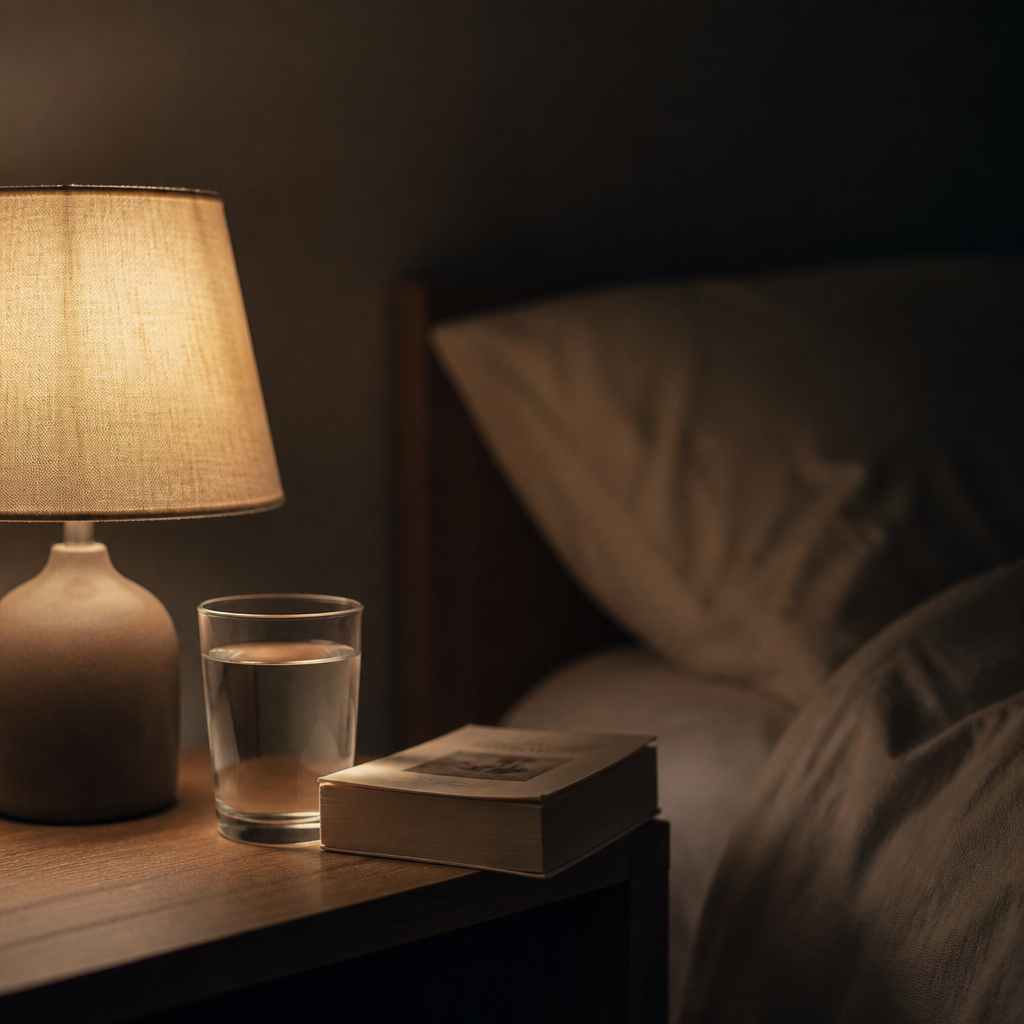
Persistent pain and poor sleep arrive together so reliably that clinicians treat them as a pair. Somewhere between half and two thirds of people living with long term pain report significant sleep problems, and the effect is not one directional: pain disturbs sleep, and disturbed sleep makes the next day's pain worse.
What has become clearer over the past decade is which direction is stronger, and it is the surprising one. Studies that track people night by night find that a poor night predicts a worse pain day more reliably than a painful day predicts a poor night. Experiments that deprive healthy volunteers of sleep measurably lower their pain thresholds within a few days. Sleep is not simply a casualty of pain, it is one of the levers on it.
Sleep is not the reward for a good pain day. It is one of the more powerful things available for producing one.
The loop, and which way round it runs
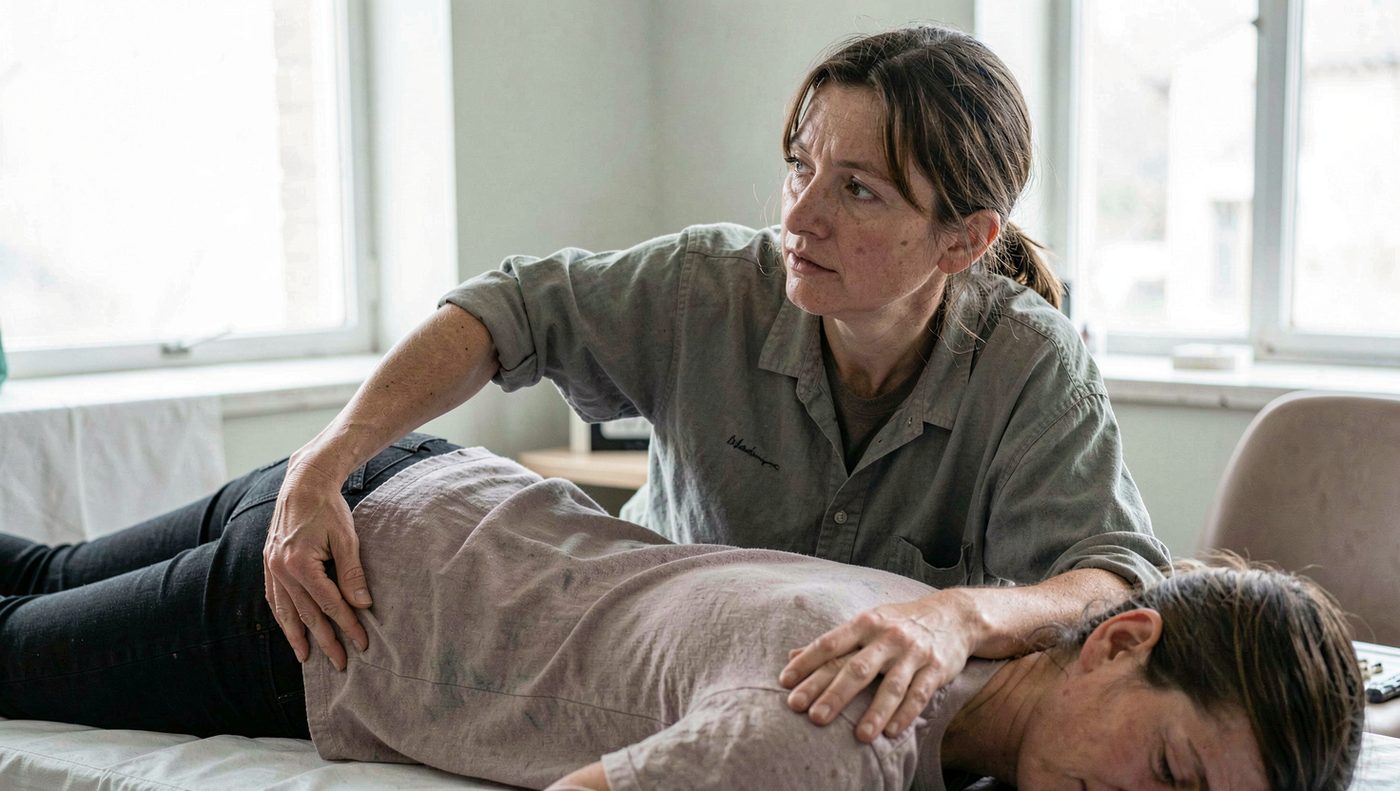
The mechanism is not mysterious. Short or fragmented sleep raises inflammatory markers, dampens the body's own pain modulating systems, lowers mood and shortens the fuse on everything else. A person who has slept badly wakes with less tolerance, does less during the day, worries more about the night ahead, and goes to bed anxious about sleeping. By the second week the anxiety about sleeping has become a bigger problem than the pain that started it.
That is worth knowing because it identifies where the leverage is. Once the loop is established, the part most amenable to change is often not the pain but the behaviour around sleep.
The treatment the NHS reaches for first
Not sleeping tablets. UK guidance recommends cognitive behavioural therapy for insomnia, usually shortened to CBT-I, as the first line treatment for persistent insomnia, including where pain is part of the picture. Hypnotics are for short term use, and their evidence in long term pain is poor while their downsides are not.
CBT-I is a structured programme rather than a conversation about relaxing more. It generally runs for four to eight sessions and combines a small number of behavioural rules with work on the thinking that keeps people awake. Digital versions have been assessed for NHS use, and access varies considerably by area, so a GP surgery is the place to ask what is available locally. In England, NHS talking therapies services can be approached directly without a GP referral in most areas.
Its results in people with chronic pain are good: better sleep, and in many trials a modest improvement in pain and mood alongside it. That is a better record than most things offered for the same problem.
The four rules that do most of the work
- Fix the wake time
- The same alarm every day, weekends included. A fixed rising time anchors the body clock far more effectively than a fixed bedtime, and lying in after a bad night is the single most common way to guarantee another one.
- Shorten time in bed
- Counterintuitive and effective. Spending nine hours in bed to catch six hours of sleep produces broken, shallow sleep. Compressing the window towards the amount actually slept makes sleep deeper, then it can be extended again. This is the core of CBT-I and it is worth doing with guidance.
- Keep the bed for sleeping
- No working, scrolling, television or lying awake for an hour. The aim is for the bed to signal sleep rather than frustration. For people in pain, resting during the day somewhere other than the bed matters here.
- Build a wind down
- Thirty to sixty minutes of low light, low stimulation and no screens where possible. The body clock responds strongly to light, and a bright bathroom at eleven at night is working against you.
Two supporting conditions are worth getting right: a bedroom at around sixteen to eighteen degrees, and daylight in the morning, ideally outdoors within an hour or two of waking. Both influence sleep timing more than most people expect.
What to do at three in the morning
The standard advice, to get up after about twenty minutes of lying awake, was written for insomnia rather than for pain, and it needs adapting. Getting out of a warm bed with a painful back at three in the morning is not always sensible.
The workable version:
- Do not watch the clock. Turn it away. Nothing useful comes of knowing it is 3.42.
- If a change of position helps, change it. Comfort is a legitimate goal and moving is not failure.
- If lying awake becomes frustrating rather than restful, get up, go somewhere dim, do something undemanding, and return when sleepy rather than when the clock says so.
- Have something dull and low light ready in advance so the decision does not have to be made at three in the morning. A paper book and a low lamp, not a phone.
- Accept the night if it is going badly. Fighting a bad night makes it longer, and one poor night is recoverable if the wake time stays fixed.
Painkillers, alcohol and caffeine at night
Caffeine has a half life of roughly five hours in most adults, which means a coffee at four in the afternoon still has a meaningful amount circulating at bedtime, and a quarter of it at two in the morning. People who insist caffeine does not affect them are usually right that it does not stop them falling asleep and wrong about what it does to the depth of their sleep. Moving the last caffeine to lunchtime for two weeks is a cheap experiment.
Alcohol is the other one people defend. It genuinely shortens the time taken to fall asleep and it reliably wrecks the second half of the night, fragmenting sleep and suppressing the restorative stages. As a self prescribed painkiller at bedtime it is one of the poorest available.
On medication, two points are worth raising with a pharmacist or GP rather than deciding alone. Timing can matter, and taking a regular painkiller so that its effect covers the early hours suits some people better than taking it at bedtime. And opioids, though sedating, fragment sleep architecture and worsen breathing problems at night, which is one of several reasons UK guidance is cautious about them in long term pain. Low dose amitriptyline is sometimes prescribed where sleep and pain overlap, and that too is a conversation rather than a purchase.
Why the daytime plan matters at night
Sleep is downstream of the day. Three daytime habits show up in the sleep of people with persistent pain more than anything done in the bedroom.
- Pacing. The boom and bust pattern, doing everything on a good day and paying for it for three, produces some of the worst nights. Working at a level that is sustainable on a mediocre day and increasing it slowly is the alternative, and it is the single most useful skill in long term pain management.
- Regular activity. Physical activity improves sleep quality independently of its effect on pain. Morning or afternoon suits most people better than late evening.
- Daytime napping. Long or late naps borrow from the night. A short early afternoon nap of twenty minutes is generally tolerable, ninety minutes at four in the afternoon is not.
The section on persistent pain in the back pain guide covers pacing and the wider approach, and the sleeping position guide deals with the mechanical side of getting comfortable.
Sleep problems that need assessing
Loud snoring with pauses in breathing, waking gasping, or overwhelming daytime sleepiness can indicate sleep apnoea, which is both treatable and commonly missed in people with chronic pain. Also worth an appointment: pain that reliably wakes you in the second half of every night, unexplained weight loss or fever alongside night pain, and low mood or hopelessness that has lasted more than a couple of weeks. In the UK, contact a GP or call NHS 111 without delay, and 999 if symptoms are severe or come on suddenly. What this site can and cannot do is set out on the medical disclaimer page.
Common questions
Are sleeping tablets ever appropriate?
For short periods and specific situations, prescribed and reviewed. As a long term answer to pain related insomnia they perform poorly, tolerance develops, and UK guidance points firmly at CBT-I first.
Does melatonin help?
In the UK melatonin is a prescription medicine, licensed mainly for short term use in adults over fifty five and in certain specific situations. It helps with the timing of sleep more than with staying asleep, and it is not a general remedy for pain related insomnia.
Is it worth tracking sleep with a watch?
For some people it provides a useful pattern. For others it becomes another source of anxiety, and staged sleep estimates from consumer devices are approximate at best. If checking the score in the morning changes how the day feels, stop checking it.
How long before sleep improves?
Behavioural changes generally take two to four weeks to show, and sleep restriction often makes the first week worse before it gets better. That first week is where most people give up, which is why doing it with support works better than doing it alone.
Does stress make this worse?
Considerably, and it is the third element of the same loop. How stress raises muscle tension and pain sensitivity covers what actually reduces it, without the wellness vocabulary.
Pets change nights as well as days; a dog's routine and your nights are more connected than they look.
A long pain history lives in notes somewhere; the paperwork behind a pain history is easier to get than most expect.
Sleep and mobility are closely bound together: the position you settle into at night depends on how easily you move during the day. When an older relative is no longer managing stairs, transfers or the walk to the bathroom, families often begin to think about a different setting, and choosing a care home becomes part of the conversation. It helps to start with practical facts, ask how daily movement and transfers are planned for, and note what you see on a visit. Those same details shape rest, comfort and pain at night.