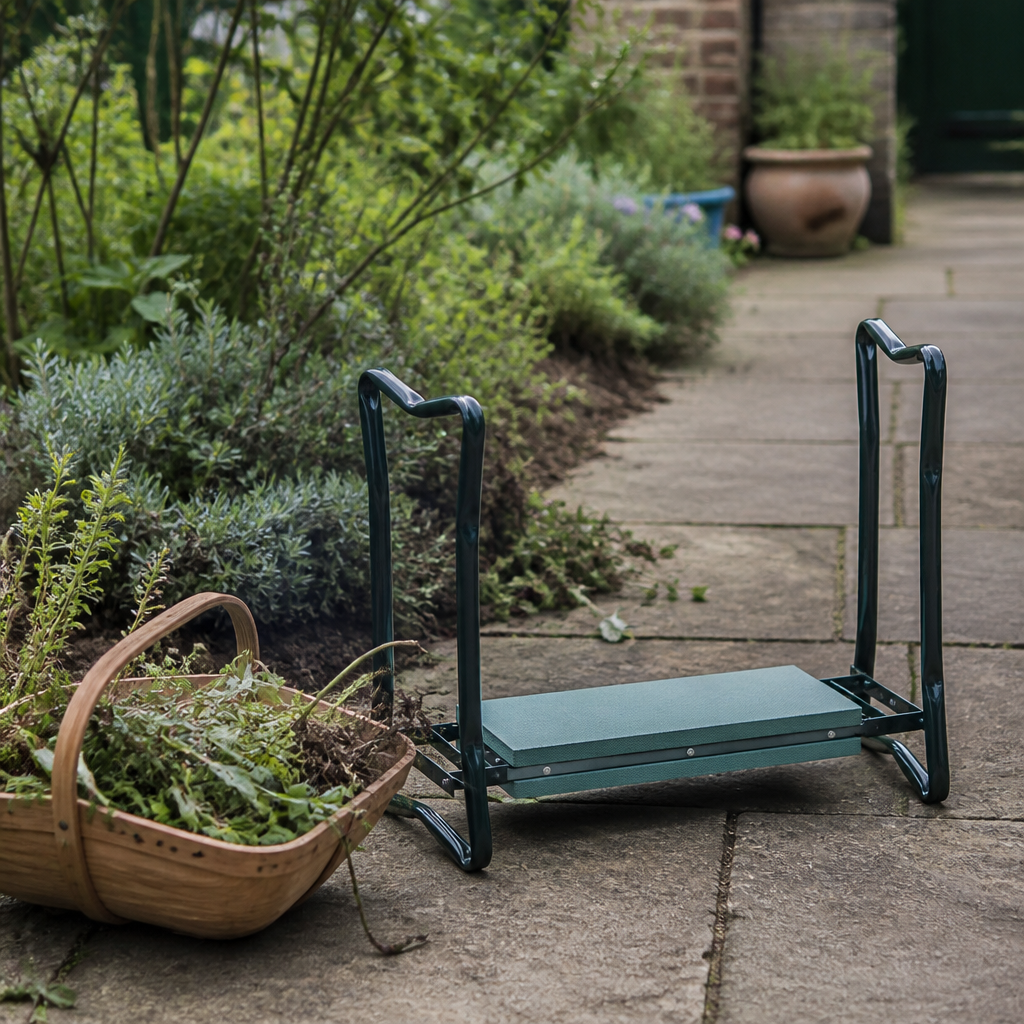
The pattern is so consistent it is almost a British seasonal ritual. A good Saturday in the garden, four hours that felt productive rather than punishing, a slightly tight back at bedtime, and then a Sunday morning that begins with a genuine struggle to get out of bed.
None of that means the garden should be abandoned or that a back is fragile. Gardening is properly good exercise and counts towards the UK physical activity guidelines, with heavier tasks qualifying as moderate or vigorous intensity. The issue is not that gardening is harmful. It is that it is usually done in a four hour block after a fortnight of sitting at a desk, and that particular contrast is what a back objects to.
Why it hurts the next morning rather than at the time
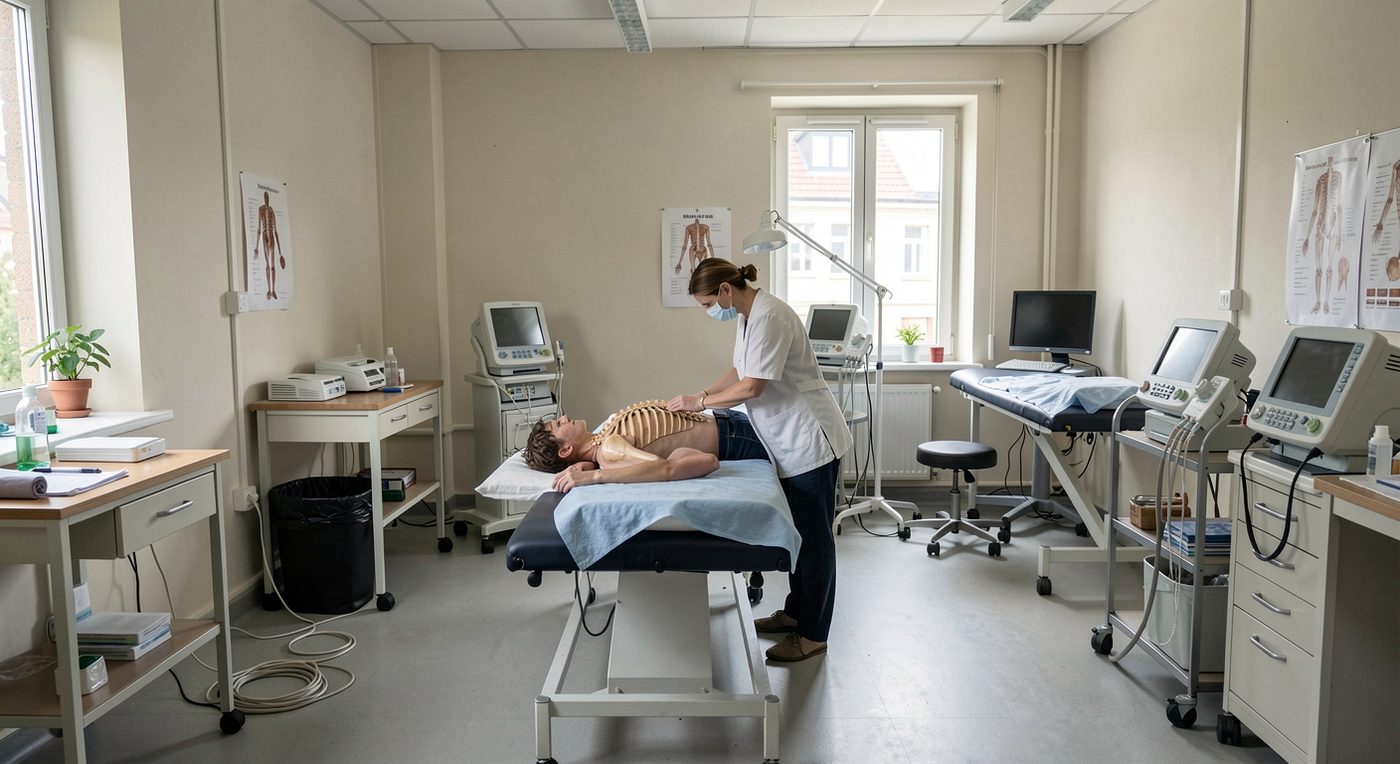
Two mechanisms, both ordinary.
The first is delayed onset muscle soreness, the same effect that follows a first gym session in a year. Unaccustomed work, especially work where muscles lengthen under load, produces soreness that peaks somewhere between twenty four and forty eight hours later. It is a normal adaptive response, not damage, and it fades over a few days.
The second is what sustained bending does to tissue. Holding a forward bend for long stretches gradually stretches the passive structures at the back of the spine, and they take time to recover their normal stiffness afterwards. A back that has spent three hours bent over a border is temporarily less well supported than usual, and the discs, which have absorbed fluid overnight, are at their highest internal pressure in the first hour after waking. Bending down to pull on socks at seven the next morning lands on precisely the wrong combination.
The garden did not injure anything. It asked a body that had been sitting for a fortnight to do a fortnight's bending in one afternoon.
The real culprit, which is not lifting
Lifting gets the blame because it is dramatic. Sustained forward bending does more of the damage because it is boring and nobody notices the hours passing.
Weeding a border, planting bulbs, picking beans and pricking out seedlings all involve holding the trunk forward, often with a slight twist, for periods measured in tens of minutes. The load is small and the duration is enormous, which is the same combination that makes an afternoon at a desk uncomfortable, only with more of a lever arm.
The practical consequence is that changing how long a bent position is held matters more than perfecting a lifting technique, useful though that is.
Pacing a garden, which is the whole trick
- Twenty minutes per task, then change. Not a break, a change. Move from weeding to pruning to sweeping. Different tasks load the body differently, and rotation is what keeps any one tissue from taking the whole day.
- Stand and extend between tasks. Hands on the hips, lean gently backwards five times. It takes ten seconds and it reverses what the previous twenty minutes did.
- Split the job across two days. Two two hour sessions produce far less soreness than one four hour session, and the border does not know the difference.
- Warm up with the boring jobs. Ten minutes of tidying, sweeping or walking about before the first serious bend, particularly on a cold morning.
- Do not garden in the first hour after getting up, especially heavy bending, when disc pressure is at its highest and the back is at its stiffest.
- Stop while it still feels fine. The tempting extra half hour at the end, when the light is going and the job is nearly done, is where most of the following morning is decided.
Task by task
- Digging. Put a foot on the spade and let body weight drive it in rather than the arms and back. Keep the load close, turn the feet to face where the soil is going instead of twisting the trunk, and take smaller spadefuls than feel necessary. Digging is the highest load task in the garden and worth splitting into short bouts.
- Weeding. Kneel rather than stoop, on a kneeler with handles that help getting up and down. Sitting on a low stool is better still. Standing and bending from the waist for forty minutes is the version that produces Sunday.
- Hedges and pruning overhead. Different problem, same principle. Working with arms above shoulder height loads the shoulders and neck quickly. Ten minute bouts, use a platform or steps to bring the work down rather than reaching up, and swap sides.
- Bags of compost. Fifty and seventy litre bags are heavier than they look and awkwardly shaped. Slide the bag to the edge of the boot, hinge at the hips with the back long, hold it against the body, and turn with the feet. Better still, tip half of it into a bucket first and make two trips.
- Wheelbarrows. Load lower and closer to the front wheel than feels natural, keep the arms straight, and make two lighter trips. A heavily loaded barrow on uneven ground is a genuine risk to a back.
- Watering. Two half full cans carried one in each hand is considerably kinder than one full can carried lopsided.
Kit that earns its place
Very little of it needs to be expensive, and most of it is about removing bending rather than supporting the back.
- A kneeler with handles
- The most useful single item. It removes the sustained stoop and makes getting up and down manageable.
- Long handled tools
- Hoes, weed pullers, bulb planters and long handled shears do the same job standing up. Height matters: a handle that is too short defeats the purpose.
- Raised beds and containers
- The permanent solution, and worth planning for anyone whose back is a recurring problem. Waist height removes the bend entirely.
- A low stool or turner seat
- Better than kneeling for many people, particularly with sore knees.
- A back belt
- Not supported by current evidence for preventing back pain, in gardens or anywhere else. Money is better spent on a kneeler.
The evening after, and the morning after that
Do not sit straight down. Coming in from four hours of bending and settling into an armchair for the evening is the reliable way to seize up. A ten minute walk, a warm shower or bath, and a few gentle back extensions before sitting all help.
If the following morning is stiff, the answer is movement rather than rest. Knee rolls and pelvic tilts before getting out of bed, then a short walk, then normal activity at whatever level is tolerable. The gentle exercise page sets out the full starting set and the rule for how much soreness is acceptable. Heat is more comfortable than ice for this kind of soreness, and ordinary soreness should be clearly improving within two or three days.
The longer term answer is unglamorous: a body that bends and lifts regularly copes far better with a Saturday in the garden than one that does neither from Monday to Friday. Two short strength sessions a week, and practising a hip hinge with the washing basket, buys most of it.
When garden back pain is not just soreness
Pain after a fall or a sudden wrench with a heavy load, pain shooting down a leg with numbness or weakness, numbness around the back passage or genitals, loss of bladder or bowel control, or severe pain that is getting steadily worse rather than easing over two or three days. In the UK, contact a GP or call NHS 111 without delay, and 999 if symptoms are severe or come on suddenly. What this site can and cannot do is set out on the medical disclaimer page.
Common questions
How long should post gardening soreness last?
It typically peaks at twenty four to forty eight hours and clearly improves over two to three days. Soreness still worsening after three days, or pain travelling into a leg, is a different matter and worth an appointment.
Should gardening be avoided with a bad back?
Very rarely. Gardening is good activity, and it is one of the few forms of exercise people do willingly for hours. The change worth making is to the pattern, twenty minute task rotation and shorter sessions, rather than to the hobby.
Is kneeling better than bending?
For the back, yes, clearly. For the knees it needs a decent kneeler or a low stool. Alternating between kneeling, sitting on a stool and standing tasks is better than committing to any one of them for an afternoon.
Does a warm up really make a difference?
The evidence for warm ups preventing injury is mixed, but starting cold on a February morning with heavy digging is a poor plan for other reasons. Ten minutes of light tidying costs nothing and makes the first half hour more comfortable.
Why does it happen every spring?
Because spring is when a winter of relative inactivity meets a garden that needs six weeks of work in a fortnight. The mismatch is seasonal, which is why building activity through February helps more than anything done in April.
The same pacing applies to other Saturday jobs; volunteering as weekend work needs it too.
Not every heavy job is outdoors; the heaviest lift of the week can be a hobby indoors.