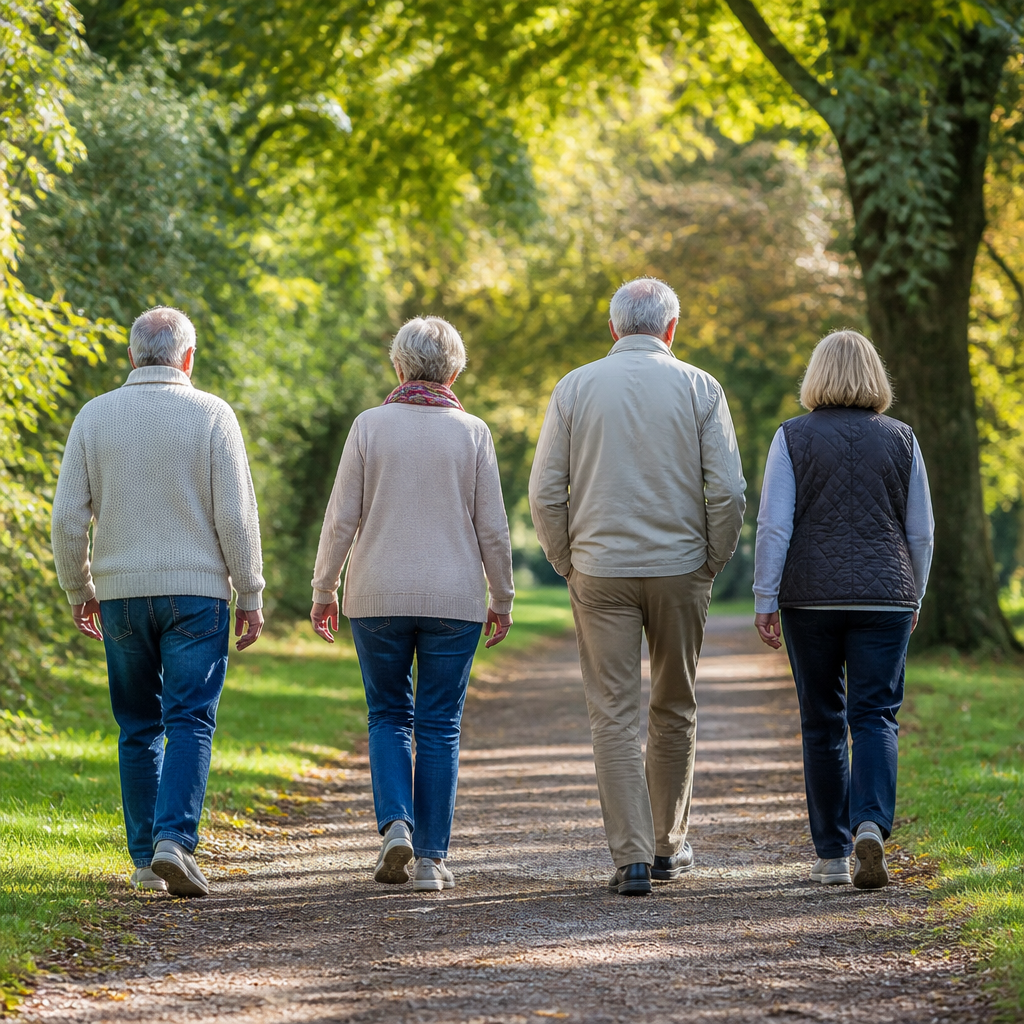
Around ten million people in the UK live with arthritis of some kind, and the number rises steeply with age. That makes joint problems close to a normal feature of a long life, and it makes the difference between an uncomfortable seventy and an active one worth understanding.
The reassuring part is how little of the useful advice is complicated or expensive. The unglamorous part is that almost all of it is the same recommendation, described in several different ways.
The wear and tear problem
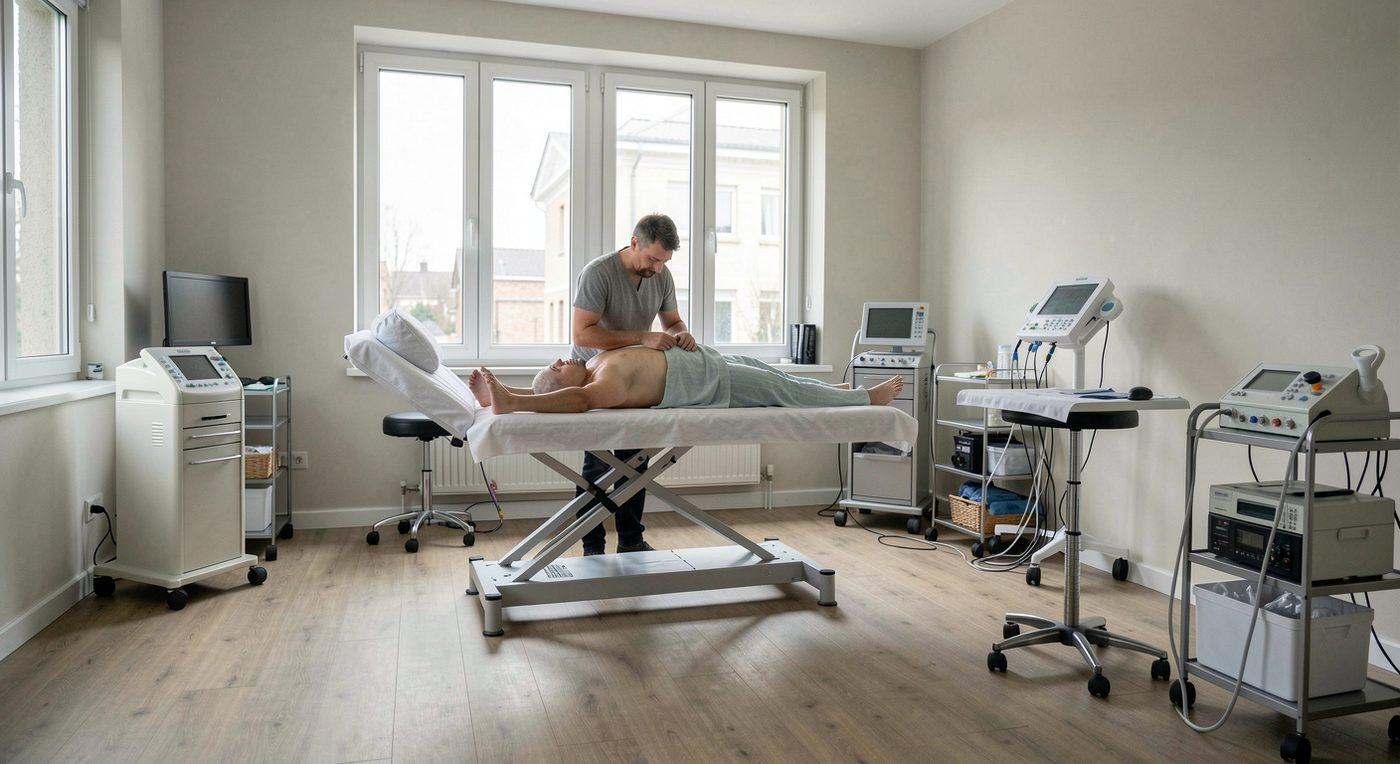
Osteoarthritis has been described as wear and tear for so long that the phrase has shaped how people behave, and it is misleading in a way that causes real harm.
Joints are not tyres. Cartilage is living tissue that responds to load, and it depends on movement for its nutrition, because it has no blood supply of its own and relies on compression and release to move fluid through it. A joint that is used regularly is better nourished than one that is protected. The wear and tear framing suggests that a fixed allocation of movement is being spent, and people who believe it move less, which is precisely the wrong response.
Current UK guidance has moved away from that language deliberately. Osteoarthritis is better understood as an active process in the whole joint, including bone, cartilage and the surrounding tissues, that varies enormously between people and responds to exercise.
The knee is not a tyre with a mileage limit. Protecting it by using it less is the one intervention that reliably makes it worse.
Exercise, which is the treatment as well as the prevention
NICE guidance places therapeutic exercise at the core of osteoarthritis management, for everyone with the condition, regardless of age, severity or how the joint looks on a scan. Not as an adjunct, as the core.
Two kinds matter, and both are needed:
- Strengthening, particularly of the muscles around the affected joint. Strong quadriceps do more for a painful knee than most things available, and in some analyses exercise performs comparably to anti inflammatory medication for knee osteoarthritis pain.
- Aerobic activity, meaning walking, swimming, cycling or anything that raises the heart rate. It helps pain, function, mood, sleep and weight, all of which feed back into the joint.
Two points are worth stating plainly because they stop people starting. Some discomfort during and shortly after exercise is expected with osteoarthritis and does not indicate damage. And it takes several weeks, often six to twelve, before the benefit becomes obvious, which is longer than most people persist without being warned.
The UK Chief Medical Officers ask adults for 150 minutes of moderate activity a week plus strengthening on two days, with balance work added on two days for over sixty fives. That is a destination, not a starting line.
Muscle, and why it disappears quietly
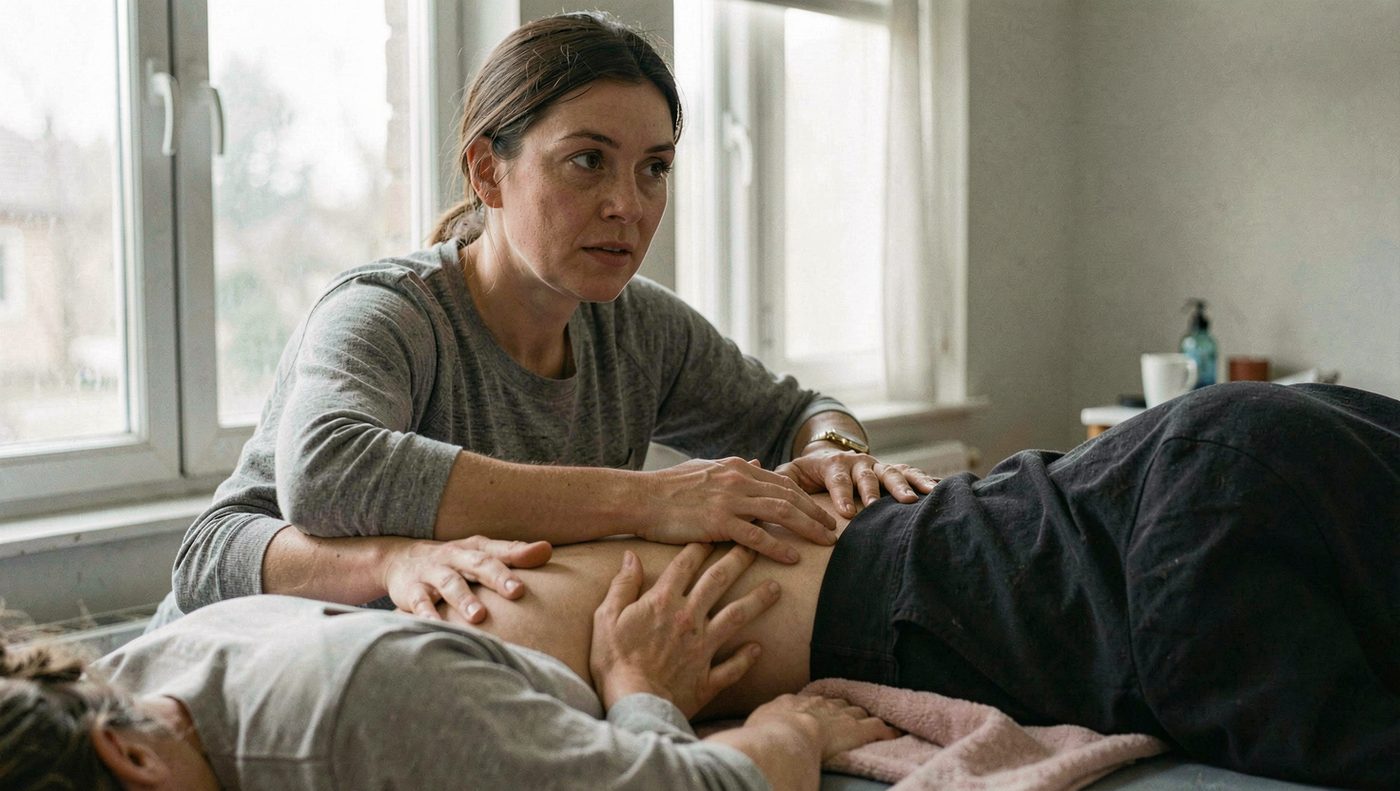
Muscle mass declines gradually from around the age of thirty and accelerates after sixty, and strength declines faster than mass does. The process is quiet: nothing hurts, nothing announces itself, and one day a chair is harder to get out of than it used to be.
It is also strikingly reversible. Adults in their seventies, eighties and beyond gain strength from resistance training, and the proportional gains are similar to those in younger people. The intervention is unfashionable and cheap.
- Sit to stands from a dining chair, without using the hands. Two sets of ten. The single most transferable exercise there is.
- Step ups on the bottom stair, holding the banister. Ten each leg.
- Heel raises at the counter, fifteen repetitions. Calves matter for balance as much as for walking.
- Wall press ups, ten to fifteen. Upper body strength is what makes getting up off the floor possible.
- Carrying, deliberately. Two shopping bags from the car is strength training that does not need to be scheduled.
Twice a week is the target. Grip strength, incidentally, is one of the better simple predictors of how well people manage in later life, which is a reasonable argument for carrying things rather than making two trips.
Bone, and the fracture nobody expects
Roughly one in two women and one in five men over the age of fifty in the UK will break a bone, largely because of osteoporosis. Bone density falls after the menopause in particular, and the condition is silent until something breaks.
- Weight bearing exercise
- Walking, dancing, stair climbing and any activity where the body works against gravity. Swimming and cycling are excellent for other reasons and do relatively little for bone.
- Resistance training
- Loading bone through muscle pull is one of the few things that stimulates bone formation directly.
- Calcium
- Adults need around 700 mg a day, achievable from dairy, fortified alternatives, tinned fish with bones, and leafy greens.
- Vitamin D
- NHS advice is that everyone should consider a daily supplement of 10 micrograms between October and early March, and year round for people with little sun exposure or darker skin.
- Smoking and alcohol
- Both reduce bone density. Stopping smoking is among the most effective single actions available.
- Risk assessment
- GPs can calculate fracture risk using established tools, particularly after a fracture from a minor fall, which should always prompt the question.
Weight, honestly
The mechanics are hard to argue with. Each kilogram of body weight translates into several kilograms of additional load through the knee during walking, and more during stairs. Weight loss reliably reduces knee osteoarthritis pain in trials, and it works better combined with exercise than alone.
The part usually left out is that the effect is not only mechanical. Body fat is metabolically active and contributes to low grade inflammation, which is why weight is also associated with hand osteoarthritis, where no load argument applies at all.
None of which makes weight the whole story, or a moral question. Plenty of people with painful joints are not overweight, and plenty of heavy people have comfortable knees. It is one factor among several, and it is one that responds to the same activity recommendations as everything else on this page.
Supplements, and which ones survive scrutiny
Vitamin D has genuine support for bone health and is officially recommended in the UK during the darker months. Calcium from food is worthwhile. Beyond those, the evidence thins rapidly.
Glucosamine and chondroitin are the most widely taken joint supplements in Britain and NICE specifically advises against offering them for osteoarthritis, because the trial evidence does not support a meaningful benefit. Turmeric and curcumin have some early trial data and a great deal of marketing. Collagen supplements are popular and poorly supported.
Anyone spending thirty pounds a month on joint supplements would get more from spending it on a pair of shoes that make walking pleasant, or on eight weeks of a strength class.
Balance, the part everyone skips
Falls are the largest cause of injury related death in older adults in the UK, and balance is trainable at any age. It is also the element of the physical activity guidance that people are least likely to have heard of.
It needs no equipment. Standing on one leg while the kettle boils, holding the counter and then progressing to a fingertip, then to nothing. Walking heel to toe along a hallway. Standing up from a chair slowly, without momentum. Tai chi has good evidence for falls prevention specifically, and many local authorities and leisure centres run classes cheaply.
Two days a week, a few minutes at a time. It is the cheapest insurance policy in this article.
Joint symptoms that need assessing
A hot, swollen, very painful joint, particularly with fever, needs urgent assessment. Also see a clinician for a joint that gives way or locks, sudden loss of function, pain after a fall, morning stiffness lasting more than half an hour over weeks, unexplained weight loss alongside joint pain, or any fracture that follows a minor fall. In the UK, contact a GP or call NHS 111 without delay, and 999 if symptoms are severe or come on suddenly. What this site can and cannot do is set out on the medical disclaimer page.
Common questions
Does running wear out the knees?
Long term studies of recreational runners find rates of knee osteoarthritis no higher, and often lower, than in sedentary people. Elite level running at very high volumes is a different question. For most people, running is not the risk it is assumed to be.
Should exercise stop when a joint hurts?
Generally not. Discomfort during and shortly after exercise is expected with osteoarthritis. What warrants adjusting is pain that is clearly worse the following day, or a joint that swells. Reduce the load rather than stopping.
Is cracking joints harmful?
No good evidence that it causes arthritis. The best known study on knuckle cracking involved a doctor cracking the knuckles of one hand for sixty years and finding no difference between his hands.
Do scans show how bad arthritis is?
Loosely at best. Severe changes on an X ray often accompany minimal symptoms, and significant pain often accompanies unremarkable images. Guidance advises against routine imaging where the diagnosis is clear from the history and examination.
Is joint pain in the morning normal with age?
Brief stiffness that eases within half an hour is common. Stiffness lasting longer than that, particularly if it improves with movement and worsens with rest, follows a different pattern. The morning stiffness page sets out the distinction and the referral criteria.
Is gardening good or bad for ageing joints?
Good, and it counts towards the activity guidelines. The problems come from doing six weeks of it in one Saturday. Pacing a garden covers how to keep the hobby without the Sunday.
The same caution applies when the household adds a dog; which dog suits a creaky owner is worth a read before deciding.
Prevention starts before the animal arrives; a puppy's health paperwork is part of that.
Joint care rarely stands alone. Strength, balance and a home that suits your body all shape how long you keep moving without thinking about it. Families often ask what to arrange before a crisis, and the answer is usually practical: a ground floor bedroom, a handrail, a routine that includes walking and company. For older people and their relatives in Luxembourg, ageing well in Luxembourg sets out those steps plainly, from housing choices to everyday movement and staying steady on your feet. The principles travel well, wherever you live.